

Home / Sectors / Child Law & Custody
SEO for Child Law & Custody Solicitors: Built for Qualified Enquiries
Affirmed Digital provides SEO for UK child law and child arrangements solicitors so parents can find a named specialist for custody, contact and protective issues, instead of landing on a generic family page that never mentions children.
Children searches are urgent, local and legally sensitive. People look for child arrangements, parental responsibility, prohibited steps and emergency protection. Pages must be accurate, calm and solicitor-owned, and never personal advice in a search snippet.
Parents should be able to reach a named children solicitor
Affirmed Digital writes for the parent who has heard custody, contact or child arrangements from the other household, a school or CAFCASS, and now needs a solicitor rather than another definition. The opening uses the legal term and, on the same first screen, acknowledges the public words so nobody feels corrected for searching. The children solicitor is named, with memberships and what the first meeting is for. Where you act for grandparents, say so honestly: there is no automatic right of the kind many people arrive expecting.
Urgent and planned matters need different welcomes. A parent fearing a removal, a holiday or a sudden school move needs a telephone number before a long account of the Children Act. A parent building an application after mediation needs documents and a feel for how the team takes instructions. We will not illustrate either path with a narrative that could identify a child. Experience sits at the level of matter types, the family court centres you appear in, and memberships. The map listing should mention children work, because the first search is often local.
What the children partner will check
The public word custody is acknowledged, and child arrangements leads. Urgent numbers are easy to see. A planned application has its own account of the first meeting. A children solicitor is named. No sentence could identify a child, and grandparents are described honestly where you act for them.
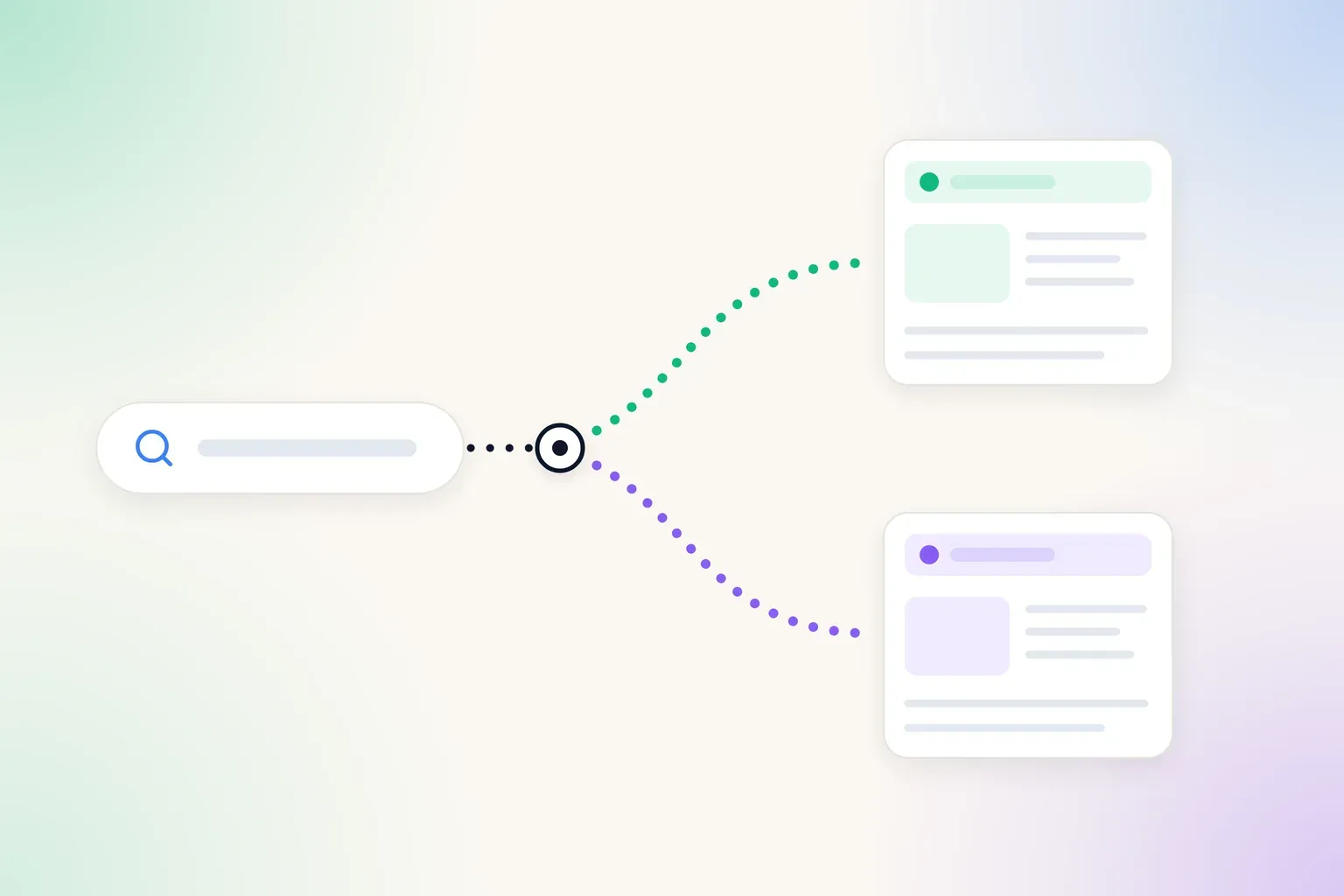
What parents need to see before they instruct
Custody in their words, orders in yours
Parents still type custody and access. The law speaks of child arrangements. The page acknowledges their words, then explains the orders a children solicitor can ask a court to consider, without treating old labels as current law.
A night-time call and a planned application
A night-time prohibited steps worry is not the same visit as a planned application after mediation. Emergency pages keep the telephone visible. Planned pages explain the first meeting and what a parent should bring.
A named solicitor, and no child identified
Parents want a person, not an unnamed family block. The children solicitor, their memberships and the first meeting go on the page. We never publish a story that could identify a child, a school or the other household.
Why children’s law stays invisible without its own pages
Parents search the language they hear from CAFCASS, schools or the other parent, not “family law”. If those phrases only appear in a footer, charities and national advice sites take the research, and local solicitors miss the instruction.
“Custody” on the page, “child arrangements” nowhere
The public still types custody and access. The law talks about child arrangements. A ranking page has to acknowledge both without pretending the old labels are the current order types.
Emergency and planned matters treated as one journey
A prohibited steps application at 9pm is a different landing experience from a planned application after mediation. One wall of text cannot serve both.
No solicitor named as the children specialist
An unnamed “our family team” block is weaker than a children solicitor with memberships, years in the seat, and a first-meeting description.
Copy that sounds like advice to the other parent
Over-specific “you should do X tomorrow” content is a compliance risk. Useful pages explain process and when to speak to a solicitor, then stop.
How children work becomes findable without exposing a child
We separate the words parents type from the orders you seek, give urgent contact a different path from a planned application, and name the children solicitor. Published material stays with matter types and memberships, never a story a child could be recognised from.
Use custody and child arrangements together
The heading and the first sentence use child arrangements. Nearby lines acknowledge custody and access, so a parent is not turned away for the word they know. Old labels are not presented as the names of current orders. The solicitor does the translating.
Separate the urgent call from the prepared case
Urgent pages lead with how to reach a person, including any out-of-hours route you truly offer. Pages for a prepared application explain the first meeting, what to bring and how you take instructions from one parent. One block of statute cannot serve both readers.
Put the children solicitor on the page
The commercial page carries that solicitor's name, years in the seat, relevant memberships and what the first meeting is for. An unnamed team block is not a stand-in. The biography is one you approve, and it matches the person who may take the file.
Show experience without a child story
We describe matter types, the family court centres you appear in, and grandparents' work where that is a genuine offer. We do not write disguised anecdotes about contact, relocation or protective orders. If a detail could point to a child, it stays in the file.
How parents look for a children solicitor
Searches cluster around child arrangements, custody, contact, parental responsibility and emergency protection, usually with a town. You will not out-author GOV.UK on definitions. You can be the firm they can actually instruct nearby.
Child arrangements in their town
We use the current legal term in the heading and first sentence, with a short explainer for clients still searching “custody”.
Custody and “near me” on a phone
Map results and mobile contact matter. Google Business Profile services should include children work, and the landing page should translate public language into the orders you actually handle.
Parental responsibility
Often unmarried fathers or step-parent queries. A dedicated explainer with a solicitor next step converts better than a glossary dump.
Emergency protection
These pages need visible contact, not 2,000 words of statute above the phone number. We keep the first step obvious.
What is child law SEO?
Child law SEO is search visibility for solicitors who handle children matters: arrangements, parental responsibility, relocation and protective applications. It must be distinct from divorce SEO, because the searcher may not be divorcing.
Affirmed Digital treats children work as its own practice area. The opening sentence of the main page says who you act for and which children issues you take on.
Internal links then send divorce-with-children traffic to the children pages, and vice versa, instead of duplicating both full services everywhere. This page has to talk about children specifically.
What this means for your firm
- Use both public language (custody) and legal language (child arrangements).
- Name the children solicitor.
- Keep emergency contact visible.
- Do not invent success rates for children cases.
How do you show expertise without oversharing cases?
Show credentials, process and what the first meeting covers. Do not publish identifiable facts about children. Experience belongs at the level of matter types, court centres and professional memberships, not story-like case studies.
Affirmed Digital will not write fake anonymised “we won contact for a dad in six weeks” narratives. We will explain how the firm works and who does the work.
If the firm has relevant accreditations or memberships, those belong in human-readable bios. That is a stronger trust signal than adjectives.
Does local SEO matter if children cases can be remote?
Many first instructions are still local: school, the other parent’s address and the family court catchment shape the search. Even firms that later work remotely usually win the enquiry from a town or “near me” search.
Parents under stress search locally first. A children firm that hides its office, uses a virtual address that cannot meet Google’s guidelines, or has no family/children services on its profile will struggle in the map pack regardless of how good the blog is.
Where the firm covers a region, say so plainly. The children hub should not pretend the firm is everywhere and nowhere.
How does Affirmed Digital work with children teams?
We separate children searches from divorce searches, write matter pages a children solicitor can approve, and align Google Business Profile services with the work you actually take.
The plan starts with the language parents use and the matters the department will accept. Each commercially important children issue then gets a page that a solicitor can stand behind.
Technical, local and content work sit on the existing Affirmed Digital services. This page exists so a children department can find a practice-area partner rather than a generic law-firm SEO brochure.
Should a children solicitor say custody or child arrangements?
Say child arrangements, and do not pretend the parent was wrong to type custody. The public word is still how people search and how friends describe the problem. The legal word is what goes into an application. A page that chooses only one of those leaves somebody out.
Open with child arrangements as the accurate term for orders about where a child lives and how time is spent with each parent. On that same first screen, acknowledge custody and access as the words many parents still use, and explain briefly that those labels are not the names of current orders. Then move to the help a solicitor gives: a child arrangements order, and when a specific issue or prohibited steps application is the closer fit. Do not crush both phrases into a heading until nobody can read it.
That translation belongs beside the children solicitor, so their name sits with it. A parent who feels corrected will not enquire. A parent who feels understood, and who can see memberships plus a first meeting, will. Affirmed Digital drafts this with the fee earner, not as a glossary dropped onto the site. If you also act where the parents were never married, parental responsibility needs its own plain note. That reader is not always getting divorced and should not be sent to a divorce page to find you.
Correct the law, not the parent
The parent searched with the word they had. The page can be legally accurate and still feel welcoming. Child arrangements leads. Custody is recognised in the opening lines. The solicitor's name is what makes it a firm, rather than a textbook.
What this means for your firm
- Child arrangements leads the heading and the first line.
- Custody is acknowledged without being treated as current law.
- The children solicitor is named next to that explanation.
- Unmarried parents can still find parental responsibility.
How should urgent cases, planned applications and grandparents be handled?
They are different instructions. A parent who fears a child will be taken abroad tonight needs a person on the telephone. A parent building an application over weeks needs documents and a process. A grandparent needs an honest account of a court that does not hand them an automatic right. One tone cannot carry all three.
Urgent pages should show the telephone, including any out-of-hours route you truly staff, before they explain prohibited steps. Say what you need in outline, such as names and where the child is now, and what a website cannot do. Planned pages can be longer: the first meeting, CAFCASS in general terms, and how you take instructions from one parent without attacking the other in public. Neither page should carry a story, however disguised, about a real child. Matter types and court centres are as specific as we will go.
Grandparents deserve a page when you accept those instructions. Many people arrive believing they have a right to see a grandchild that the law does not give them in that form. An honest note says who can apply, how permission to apply can arise, and what a first meeting covers. It does not promise contact. It does not recount a family you have acted for. If you refer that work away, one clear sentence on the children hub is kinder than a hopeful paragraph the department will decline.
Three readers, three welcomes
The worried parent needs a number. The organised parent needs a process. The grandparent needs the truth about what a court can be asked to do. Each can live on the site without a sentence a child could be recognised from.
What this means for your firm
- The telephone comes first on anything genuinely urgent.
- A planned application has room to explain the first meeting.
- Grandparent copy does not invent a right to contact.
- No example on the site could identify a real child.
Checks a children partner will recognise immediately
Read these against the live children pages. Gaps here are why a parent ends on a national advice site, or on a family page that never names a children solicitor.
- The page leads with child arrangements and still acknowledges that many parents search using custody or access.
- A parent with an urgent worry can see how to telephone without first reading a long account of the statute.
- A planned application explains the first meeting, the documents that help, and what the solicitor will not decide at the outset.
- The children solicitor is named, with memberships a parent can follow and a description of that first meeting.
- No story, review or example on the site could identify a child, a school, a small town or the other parent.
- Grandparent enquiries either have an honest page, including the limits of what a court can be asked to do, or they are clearly declined.
- The Google Business Profile mentions children work, and the office shown is one a parent could actually attend.
- The copy explains process and when to speak to a solicitor, and it never tells a parent what to do about their own child.
Questions from child law & custody partners
Should we use “custody” in the title if the law says child arrangements?
Use child arrangements as the accurate legal term and acknowledge custody as the public search term in the opening copy. Do not force both into the title tag if it becomes unreadable.
Can we help grandparents find the firm?
Yes if that is work you take. Those searches are distinct from parental child arrangements and need an honest explainer. That includes the legal reality that grandparents do not have an automatic “right” in the way many blogs imply.
Is this legal advice content?
No. Affirmed Digital writes marketing pages for solicitors. Children’s pages should signpost a consultation and avoid personal advice to a parent about their child.
Can we describe a children case if the names are removed?
Removing a name does not make a child impossible to recognise. Schools, ages, towns and unusual facts can still point to a household. Affirmed Digital does not write those narratives, anonymised or otherwise. Show the work through memberships, the matter types you accept, the family court centres you appear in, and a clear first meeting. If the other parent could recognise a detail, it stays in the file.
What should we do when grandparents search for contact?
If the department takes that work, give it a page apart from parental child arrangements. Say plainly that grandparents do not have an automatic right to spend time with a child, then explain how an application can arise and what the first meeting covers. If you do not take those instructions, do not attract them. One honest sentence on the children hub beats a paragraph the team will turn away.
Ready to be found for children work?
Ask Affirmed Digital to review the children pages that should be bringing you instructions, without invented rankings or identifiable case stories.
Words parents already use
Searches for custody are acknowledged, while child arrangements remains the legal term.
Urgent and planned kept apart
A frightened parent sees a telephone number, and a planned case sees a first meeting.
Someone with a name
The children fee earner, not an anonymous team, is who the parent expects to meet.
No child can be recognised
Experience is shown through matter types and memberships, never through a case story.