

Home / Sectors / Dispute Resolution
SEO for Dispute Resolution & Litigation Solicitors: Built for Qualified Enquiries
Affirmed Digital provides SEO for UK dispute resolution and litigation solicitors so the people with the fight (an unpaid invoice, a joint-venture breakdown, a professional they say failed them) can find a named advocate, not a brochure that lists twenty practice bullets.
“Litigation solicitor” is a lawyer’s label. Clients search the fight. We build matter pages, show people, and never invent win-rate graphics. Consumer debt recovery is not the same product as a High Court fraud practice.
Dispute clients search the fight before the firm
Someone chasing an unpaid invoice does not read the way a board reads a joint-venture breakdown, and they should not land on the same opening paragraph. Affirmed Digital gives each fight the firm actually runs its own page: what the matter is, which advocate leads it, and how a conversation starts. Consumer debt recovery is written as its own offer, including price and service information where transparency rules require publication. High Court fraud work is not squeezed into that same layout, and nothing on the page claims a win rate the firm has not substantiated.
Confidentiality is a writing constraint, not a reason to publish an empty URL. Counsel already understands that some clients cannot be named. What they expect instead is a clear account of matter types, sectors, court centres and the way the team works, plus any directory position the firm already holds. Affirmed Digital will not invent anonymised war stories to fill the gap. Consumer claims keep a calmer, plainer tone than commercial disputes, with a contact path that matches the value and urgency of that work.
Split the tone as well as the heading
A small-debt claimant and a company instructing on a shareholder fight should never share a panic layout. Separate pages, named advocates and proof that stays inside confidentiality are what make the first call the right one. That split is the point.
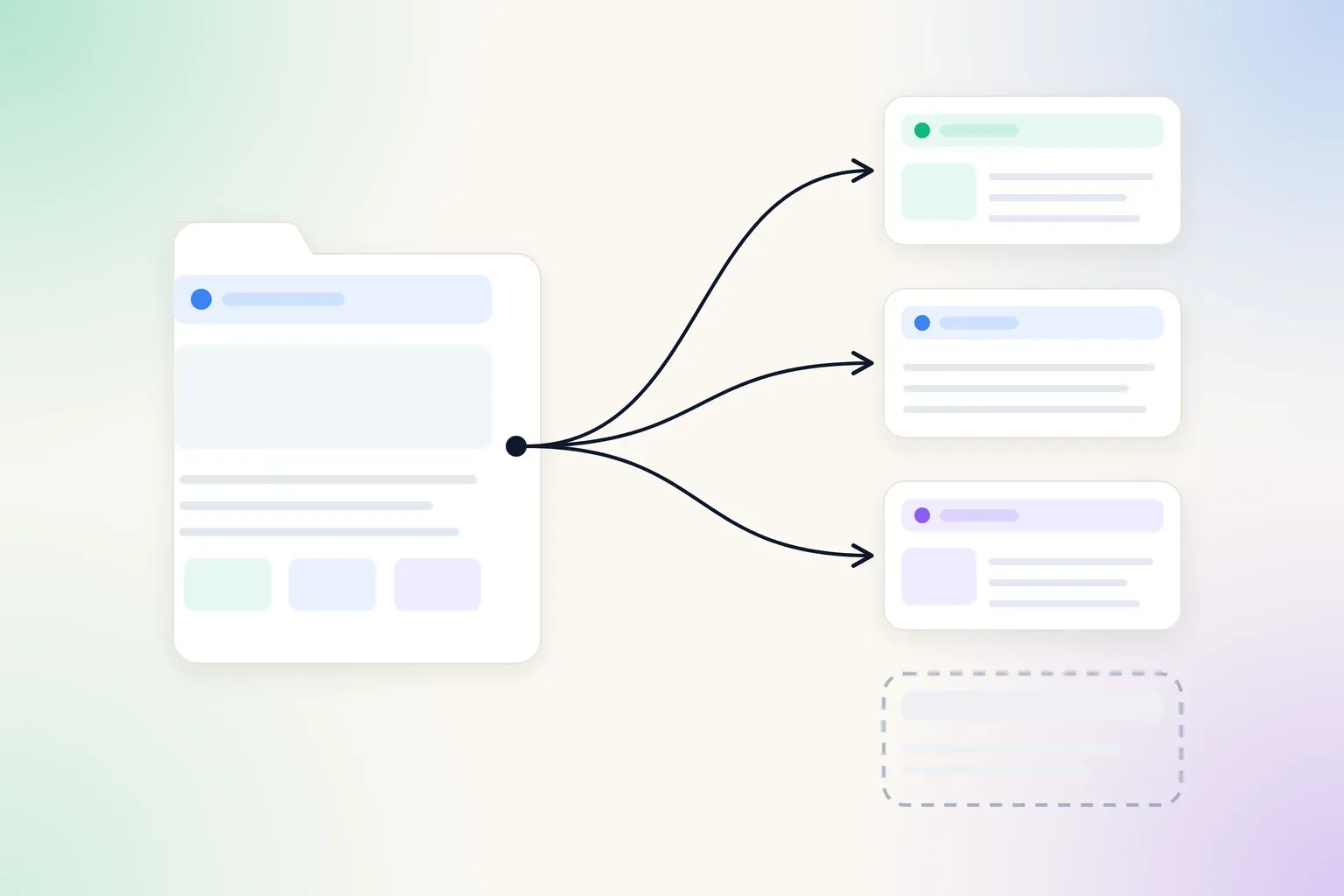
What a litigation page has to separate
A page for each fight you take
An unpaid invoice, a joint-venture breakdown and a professional negligence claim are different instructions. Give each fight you want its own page, written for that reader, instead of one hub that bullets every possible claim.
Advocates, not win-rate graphics
Boards and claimants both look for the person who will run the matter. A chart that suggests you never lose is an advertising risk and a credibility risk. Court experience, process and a named advocate are enough.
Confidentiality without a blank page
You can describe the type of fight, the sector and how the team approaches it without naming the client. A page with no substance helps nobody. So does an anonymised story a partner cannot confirm.
Why litigation hubs fail to win the instruction
A single disputes page with twenty bullets is a brochure. Clients search the fight they have. Named advocates, honest matter types and no win-rate graphics are what serious buyers expect.
One hub for every kind of fight
Debt recovery, professional negligence, shareholder disputes and property fights are different buyers. Mixing them in one heading creates the wrong first call.
Win-rate graphics and “we never lose”
Unsubstantiated outcome claims are an SRA problem and a credibility problem. Process and people are enough.
Confidentiality used as an excuse for empty pages
You can describe matter types, court centres and the team’s approach without naming clients. Empty pages help nobody.
Consumer claims and commercial disputes sharing a tone
A small-debt claimant and a board instructing on a joint-venture breakdown should not land on the same panic layout.
How we build matter pages for disputes teams
We list the fights the team will take, separate consumer claims from commercial disputes, and name the advocate on each page. Confidentiality is handled by describing the matter type, not by publishing a blank page or a made-up case story.
Choose the fights worth a page
Debt recovery, shareholder and joint-venture disputes, and professional negligence are different buyers. We keep only the matter types you resource. Work you refer out does not get a page that implies you will run it.
Write consumer and commercial apart
A debt claim from a small business needs plain process, a realistic contact path and published information where the rules require it. A board-level dispute needs situation language and a partner name. They do not share a hero.
Name the advocate on the page
The solicitor who will actually run the matter appears where the reader is deciding, with a route to a real biography. An unnamed “our litigators” block reads like a brochure and wastes the shortlist research buyers already do.
Show experience without naming clients
We describe sectors, court centres and approach in terms a partner can approve. Real directory positions the firm holds can stay. Win-rate graphics, “we never lose” lines and invented anonymised victories come off the page.
How people look for a litigation solicitor
They search the problem, then the specialist. We give each commercially important dispute type a page a partner can approve.
Unpaid invoices and debt recovery
Often consumer or SME. Where Transparency Rules pricing applies, publish it. Do not pretend it is High Court fraud work.
Shareholder and joint-venture disputes
Counsel-adjacent buyers. Named partners and situation language, not a consumer claims template.
Professional negligence
A distinct evidence story. Link to the relevant department rather than hiding it in a disputes blob.
A litigation solicitor in their city
Useful for local caseload and a real office. Not a reason to clone a page for every town a barrister might travel to.
What is litigation law firm SEO?
It is search visibility for the disputes you actually run, with named advocates and proof that never breaches confidentiality. It is not a volume play and it is not a personal-injury template.
Affirmed Digital splits consumer and commercial disputes where both are commercial offers. A debt-recovery fee page is not the same product as a High Court practice.
Housing possession, employment tribunals and motoring have their own practice-area pages. We link them rather than copying this litigation page onto those URLs.
What this means for your firm
- Build matter pages, not a list of every possible claim.
- Name the advocates on the ranking pages.
- No invented win rates.
- Separate consumer claims from commercial disputes where both exist.
How do you show litigation experience without breaching confidentiality?
Describe matter types, sectors, court centres and the team’s approach. Use real directory rankings the firm already holds. Do not invent anonymised war stories.
Counsel already understands why you cannot always name the client. Empty pages are not the only alternative.
Should civil claims for individuals live on the same site as commercial disputes?
They can share a domain. They should not share a heading, a tone or a call-to-action style. Internal links can connect them; mixed heroes cannot.
If the firm only does one of those, say so. Ambiguous positioning wastes the first conversation.
How does Affirmed Digital work with disputes teams?
We map the fights you want, write partner-approved matter pages, and keep consumer and commercial journeys apart where both exist.
Related services typically include content strategy, digital PR and a free audit when the current disputes hub is a twenty-bullet brochure.
What should a commercial dispute page include?
A company or a shareholder instructing on a breakdown wants to know you have run this kind of fight, who will lead it, and how to start without a consumer claims script. The page should be specific enough to forward to a board and quiet enough that confidentiality still holds.
Commercial dispute pages work when they name the situation in the words a director would use: an unpaid supply contract, a joint venture that has soured, a shareholder who wants out. Affirmed Digital asks which of those the team wants, then writes one page per situation with the advocate who leads it. Process stays practical. Say what to send before a call, who will read it, and whether counsel is instructed early. Do not promise a result, a timetable to trial, or a comparison with another firm’s outcomes.
Proof on these pages is people and pattern, not a scoreboard. If a sector recurs (construction, professional services, owner-managed companies), say so at the level a partner can defend. Court centres can be named when the team genuinely appears there. Directory positions the firm already holds can be cited plainly. What does not belong is a percentage of cases “won”, a stock photo of a gavel, or an anonymised story that is really fiction. Empty pages are the other failure. Describe the fight even when the client cannot be named.
Boards forward specifics
A commercial dispute page is often read by someone who did not make the first search. Name the fight, name the advocate and leave outcome claims off. That is the version a director can send on without a rewrite.
What this means for your firm
- Use the situation a director would actually name.
- Put the lead advocate on the page, not only on About.
- Describe sectors and approach without inventing case stories.
- Keep consumer-claim layouts off commercial dispute pages.
How should consumer claims differ from commercial disputes?
Individuals chasing a debt, a faulty professional service or a civil claim need a plainer page than a company in a High Court fight. The offers can share a website. They cannot share a heading, a fee story or a sense of panic. Say which one you do if you only do one.
Consumer claims are urgent and local to a real office. The page should say who you act for, what the first conversation covers, and what information must be published under the transparency rules for that work. Keep the language plain and the next step obvious: how to get in touch, what to have ready, and what you will not promise. A debt-recovery page that mimics a fraud practice confuses the caller and the firm. If you do not run commercial litigation, do not let the heading imply that you do.
The commercial side of the same firm needs the opposite emphasis. Decision-makers compare advocates, matter types and whether the page sounds like people who appear in that forum. Internal links can connect a consumer page to a commercial one when both teams exist. Mixed heroes cannot. Affirmed Digital also keeps housing possession, employment tribunals and motoring on their own practice pages, linked rather than duplicated, so this disputes page stays about the civil and commercial fights you mean to take.
Ambiguity wastes the first call
If the firm only acts on one side of this split, say so in the first screen. A mixed heading produces the wrong conversation and a reader who cannot tell whether you are their solicitor at all. Leave no doubt.
What this means for your firm
- Publish price and service information where the rules require it.
- Give debt recovery its own page if you sell that work.
- Do not dress consumer claims in High Court language.
- Link other departments instead of copying their matters here.
Before a disputes page is published
Run this past the advocate who owns the matter. It catches mixed audiences, empty confidentiality and outcome claims before a client or a board does.
- The page is about one matter type, not a list of every fight the firm has ever touched.
- Consumer claims and commercial disputes do not share a heading, a tone or a call to action.
- A named advocate appears on the page, linked to a biography that is actually theirs.
- Client names are absent unless confidentiality has been cleared in writing.
- The page describes matter type, sector or approach rather than sitting empty.
- No graphic, percentage or slogan claims a win rate the firm has not fairly evidenced.
- Price and service information is published where transparency rules apply to that work.
- Housing, employment and motoring matters link to their own pages instead of being copied here.
Questions from dispute resolution & litigation partners
Can we publish a win-rate percentage?
Only if it is accurate, fairly presented and survives SRA advertising rules. Most firms are better served by process, people and matter types. Affirmed Digital will not invent a rate.
Is local SEO relevant for High Court work?
For the office entity and any genuinely local caseload, yes. For most High Court work, situation pages and authority matter more than town templates.
Should every dispute type get a page?
Only the types you resource and want. Thin pages for work you refer out create the wrong enquiries.
Can confidentiality justify a short disputes page?
It can justify omitting names, values and facts that would identify a client. It does not justify a page that only says you handle disputes. Describe the matter types you take, the forums you appear in and the advocate who leads the work. Readers, including counsel, already expect discretion. They do not expect a blank URL. Affirmed Digital writes to the line your partners set, and stops there.
Should debt recovery and fraud work share a call to action?
No. The reader, the urgency and the way you are instructed are different. A debt page can invite a straightforward first conversation and, where required, show price information. A fraud or shareholder page should speak to a director or a founder and name the partner. Using one button style and one promise across both trains the wrong people to call and makes the right ones hesitate.
Ready to be found for the disputes you actually run?
Ask Affirmed Digital to review your litigation pages, without win-rate graphics or templates copied from consumer claims.
Matter pages for real fights
Each dispute you want has its own page, written for the person who has that problem.
Consumer and commercial kept apart
Debt claims and board-level disputes no longer share a heading, a tone or a next step.
Named advocates on the matter
The solicitor who runs the file is visible on the page the client is reading.
Proof that respects confidentiality
Experience is described without client names, war stories or graphics about results.