

Home / Sectors / Intellectual Property
SEO for Intellectual Property Solicitors: Built for Qualified Enquiries
Affirmed Digital provides SEO for UK intellectual property solicitors so founders, SMEs and in-house counsel can find the firm for the IP problem they have (a trade mark, a brand dispute, a copyright issue) rather than a generic “IP lawyers” page that never says what you actually do.
IP search splits by product and by buyer. Filing a trade mark is not High Court litigation. Patent work often belongs to attorneys you refer, which the ranking page must admit. We split those journeys and never leak client names.
IP instructions split by product and by buyer
Intellectual property work arrives as two different jobs. One is a filing: a founder or an SME wants a trade mark explained in plain English, with a named solicitor and a clear first meeting. The other is a dispute: passing off, copyright, or trade mark litigation, often with in-house counsel who already knows the vocabulary. Affirmed Digital keeps those pages apart. A single IP heading attracts the wrong filing and counsel who cannot see a person. We write the filing page for a first-time buyer and the dispute page for someone who will forward it.
Patent work needs an honest sentence. If the firm refers filings to a patent attorney and keeps the commercial advice, the assignment, or the dispute, say that on the page. Founders searching for a patent will otherwise book a call you cannot complete. Counsel comparing firms will look for the partner’s name, the matter types you run, and sectors you can describe without naming the brand. Affirmed Digital will not invent client logos or tombstones. Confidentiality is part of the product, and the page should sound as if a partner has already read it.
No invented brands
Describe the sector and the type of matter. Name the partner who will take the call. Leave the client’s logo off the page unless the firm already has permission to use it. A fictional tombstone is obvious to counsel and awkward for the partner who has to explain it.
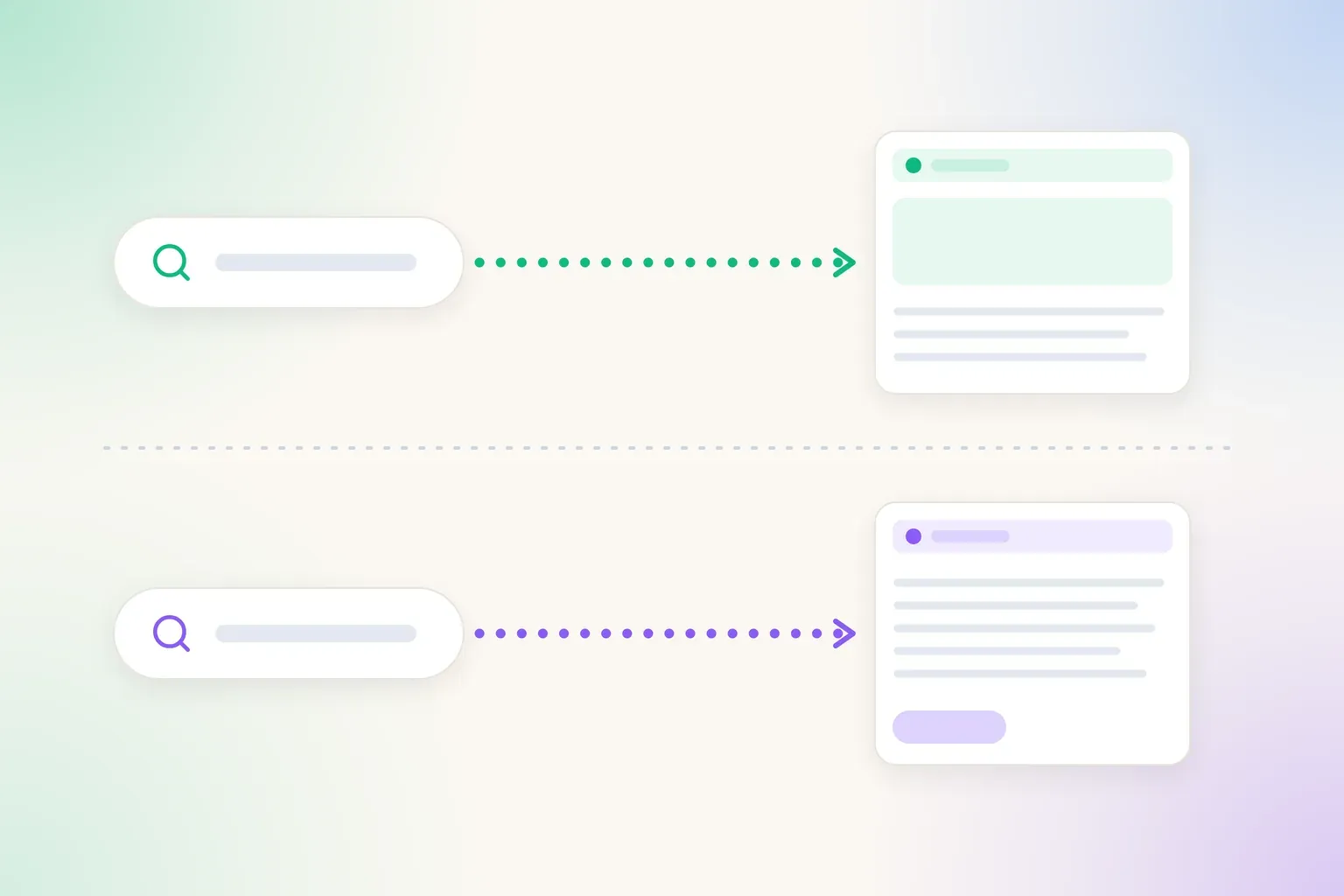
Three splits an IP page has to make
Filing is not a dispute
A founder registering a trade mark is not in-house counsel preparing for passing off or High Court litigation. Those journeys need different openings, different contact paths and different proof. One IP heading serves neither buyer well.
Say when you refer patents
If a patent attorney files and you advise on the commercial deal, the page should say so. Silence about that referral wastes the first call with founders who expected a filing, not a handoff they had not been told about.
Name the partner, not the brand
In-house counsel looks for the solicitor, not a logo wall. Put the IP partner on the page that should bring the instruction. Describe matter types and sectors. Do not invent client names the firm cannot publish.
Why IP pages fail to convert the right buyer
Capability lists that treat IP like any other practice area attract students and the wrong filing work. Founders, SMEs and in-house counsel search differently. Product split and buyer split are the strategy.
Filing and disputes on one heading
IPO filing journeys are not High Court trade-mark litigation. Mixing them creates unsuitable enquiries and a confused first call.
Patent work advertised when you refer it out
If patent attorneys do the filing, say so. Ranking for work you immediately refer is a waste of the first conversation.
No named IP partner on the ranking page
In-house counsel will look for people. Bios buried on About while the IP page is anonymous waste that research.
Client names the firm cannot publish
Brand work is confidential. Describe sectors and matter types. Do not invent logos.
How we separate IP products before we write
We map what you file, what you litigate and what you refer, then match each journey to the buyer who actually instructs. The pages name partners and stay inside the confidentiality position the firm already has.
Split filing from disputes
Trade mark filing, watching and brand protection sit on different pages from passing off, copyright claims and High Court litigation. The first screen tells the reader which job this page is for.
Write for the buyer
Founders get plain English, a process and a route to a first meeting. In-house counsel get matter types, a named partner and a contact path that looks professional enough to forward. The layouts are not shared.
Admit the patent referral
Where a patent attorney does the filing, the page says so and explains the work the solicitors keep. We do not leave a patent heading up in the hope the enquiry can be passed on quietly.
Put people on the page
The IP partner’s name, role and the matters they actually run appear on the page that should earn the instruction. Proof is sectors and matter types, not a row of logos the firm cannot stand behind.
How IP clients look for a solicitor
Trade mark solicitors, brand protection, copyright, passing off, and (where you truly run it) patent disputes. Definitional “how to patent an idea” questions often belong elsewhere unless that is your intake.
Founders filing a trade mark
Plain English, process, fees discussion, and a named solicitor. First-time buyers of legal services.
In-house counsel on a dispute
A different page, a professional contact path, and proof at a level confidentiality allows.
Copyright and brand issues in a sector
Industry language helps SMEs find you. Do not invent sector experience you do not have.
Passing off and litigation
Link honestly to disputes. Do not hide contentious work inside a filing brochure.
What is intellectual property law firm SEO?
It is search visibility for the IP products you actually sell, split by buyer (founder, SME or in-house), with proof that never names clients you cannot name.
Affirmed Digital will not treat IP as a bullet on a generic legal SEO page. Filing, watching and disputes are different jobs.
City modifiers matter more for disputes and for SMEs who want a meeting than for purely online filing products.
What this means for your firm
- Split filing products from disputes.
- Admit referrals (including patent attorneys) on the page.
- Put named IP partners on ranking pages.
- Never invent client logos.
How do start-up founders and in-house counsel search differently?
Founders search the product in plain English. Counsel searches the dispute and the people. Those journeys should not share a panic layout or a single heading.
We still use Google, because that is where many shortlists start. The page objects differ: process and fees discussion for founders; people and matter types for counsel.
What proof can an IP page show without client names?
Sectors, matter types, named partners, genuine directory rankings the firm already holds, and process. That is enough. Fake tombstones are not.
If you cannot name the brand, describe the situation type. In-house counsel already understands confidentiality.
How does Affirmed Digital work with IP teams?
We map products and buyers, write partner-approved pages, and keep filing and dispute journeys apart.
Corporate and disputes pages are linked where those departments share the client. A free audit is useful when the current IP hub is a capability list with no people on it.
How do founders and in-house counsel look for an IP solicitor?
Founders search the product. They want a trade mark explained, a fee conversation and a person to meet. Counsel search the dispute and the lawyer. They want matter types, a named partner and a page they can send to a colleague. Those are different pages, not two tones on one hero.
The founder page should open with the job: registering or protecting a trade mark, what the first meeting covers, and which solicitor will be on it. Plain English is not a lack of expertise. It is how a first-time buyer decides the firm understands the question. Avoid a wall of statutes and avoid a promise about registration. The UK Intellectual Property Office decides the filing. Your page can explain how you prepare it and what you need from the founder before anyone drafts.
The counsel page should feel like a note from one professional to another. Lead with the disputes you run, the partner who runs them, and the sectors you can describe without naming the client. A contact path that looks like a consumer callback form is the wrong signal. So is a hero image of a startup laptop on a page meant for a brand dispute. Link to corporate and to disputes where those teams share the client, and keep the IP page’s own first paragraph about intellectual property.
Two buyers, two openings
A founder registering a mark and counsel instructing on a dispute should not meet the same first sentence. Write each opening so the reader can tell, immediately, that the page was meant for them. Shared navigation is fine. A shared hero is not.
What this means for your firm
- Founder pages use plain English and a first-meeting path.
- Counsel pages lead with people and matter types.
- Do not share a consumer form across both.
- Keep the first paragraph about the IP job in front of you.
What should an IP page say about patent attorneys and client names?
It should tell the truth about both. If patent filings go to an attorney, say who does what. If the brand cannot be named, describe the matter type and the sector. Named partners carry the proof. Invented logos do not, and they create a problem the moment a prospect asks.
Many solicitor firms advise on patents without being the filer. The honest page says that a patent attorney handles the application and that the solicitors advise on ownership, licensing, the transaction, or the dispute. That sentence filters the call. A founder who needs an attorney can be pointed in the right direction. A company that needs the solicitor stays. Pretending the firm files patents, then explaining the referral on the phone, burns the introduction and makes the rest of the IP site harder to trust.
Proof works the same way. Publish the partner’s name, the matters they run, and sectors you genuinely know. If a directory entry is already public and the firm is comfortable citing it, that can sit alongside. Do not manufacture a logo strip of famous brands. Counsel notice. So does the client who never agreed to be named. Affirmed Digital will not draft tombstones. Where a matter can be described without the brand, describe the situation. Confidentiality is a reason to be precise, not a reason to invent.
Referrals stated, brands withheld
Say the patent attorney referral in the first screen if that is how the work runs. Keep client names off unless permission already exists. Partners should recognise every proof point as something they could say in a pitch without a correction.
What this means for your firm
- State when a patent attorney files and what you keep.
- Name the IP partner on the commercial page.
- Use sectors and matter types instead of logos.
- Only cite proof the firm is already allowed to publish.
What an IP partner should see on the page
A partner reviewing the IP hub should be able to tick these without a rewrite. If a point fails, the page is still a capability list.
- Filing a trade mark is explained separately from a dispute.
- Founders and in-house counsel are not forced through the same opening.
- Patent filings you refer to an attorney are described as referrals.
- A named IP partner appears on the page, not only on an About biography.
- Sectors and matter types are specific enough for counsel to recognise the work.
- No client logo or brand name appears unless the firm already has permission.
- Contentious work links to disputes without hiding inside a filing brochure.
- The first paragraph says what the firm does, in language a partner would say aloud.
Questions from intellectual property partners
Should solicitors target “patent attorney”?
Only if that is how you wish to be found and you can act. If you refer patent filings, say so on the page rather than ranking for work you immediately pass on.
Is IP SEO only for London firms?
Much national search is London-heavy. Regional firms can still win sector and filing-product searches without pretending to be a Fleet Street giant.
Can we list famous brands we have acted for?
Only with the confidentiality position your partners actually have. Affirmed Digital will not invent names.
Should the filing page and the dispute page share a partner biography?
They can share the person if that partner does both, but they should not share the paragraph. The filing page introduces them as the solicitor a founder will meet. The dispute page introduces them through the matters they run and the sectors they can discuss. Affirmed Digital will not paste one biography everywhere and call it personal. If different partners own the two products, each page names its own.
What if we cannot name a single client?
Then do not name one. Describe matter types, sectors and the partner who does the work. In-house counsel expect confidentiality and will trust a precise description more than a logo you should not have used. Affirmed Digital will not invent brands to fill a strip. If the firm later has permission, the name can be added. Until then, the page stands on people and the work itself.
Ready to be found for the IP work you actually do?
Ask Affirmed Digital to review your IP pages, without capability-list filler or named-client leaks.
Filing kept apart from disputes
Trade mark process and contentious work each have an opening a partner can approve.
Founders and counsel separated
First-time buyers and in-house readers meet different pages, contact paths and proof.
Patent referrals said aloud
The page states when an attorney files and which work the solicitors keep.
Named partners, no fake logos
Proof is people, sectors and matter types the firm is allowed to describe.