

Home / Sectors / Medical Negligence
SEO for Medical Negligence Solicitors: Built for Qualified Enquiries
Affirmed Digital provides SEO for UK medical negligence solicitors so people researching a possible claim can find a named specialist, understand the process, and enquire, without fake success rates or clinical advice dressed up as marketing.
Clinical negligence search is slow, high-stakes and expertise-led. Clients compare condition pages, solicitor credentials and whether the firm has handled similar NHS or private care issues. Content that oversimplifies medicine will not earn the instruction.
Clinical claims need their own specialist pages
Affirmed Digital will not dress an injury template in clinical words. A birth injury is not a delayed cancer diagnosis, and neither is an operative error or a concern about GP care. Each condition you investigate gets a page a clinical solicitor can read without wincing, kept at a high level and marked straight away as not medical advice. The people who would run the enquiry are named, with the matters they actually see. If the team does not take a condition, it does not get an address. A reader who returns a month later should meet the same standard.
Serious enquirers came for the investigation. In plain English, explain how records are obtained, why an independent expert is instructed, and what breach, causation and loss mean without turning the page into a lecture. Timescales stay general, because a marketing site cannot say how long one person's claim will take. Funding, including any conditional or damages-based arrangement you use, sits where they will see it. There is no table of compensation copied from an unknown source, and no success rate. People can leave, come back, and still find someone to speak to.
Not an injury page with a hospital added
A clinical partner should recognise the conditions, the investigation and the solicitors. They should not recognise an injury layout with the word hospital dropped in. There should be no compensation table, no unsourced clinical figure and no promise about how a claim will end.
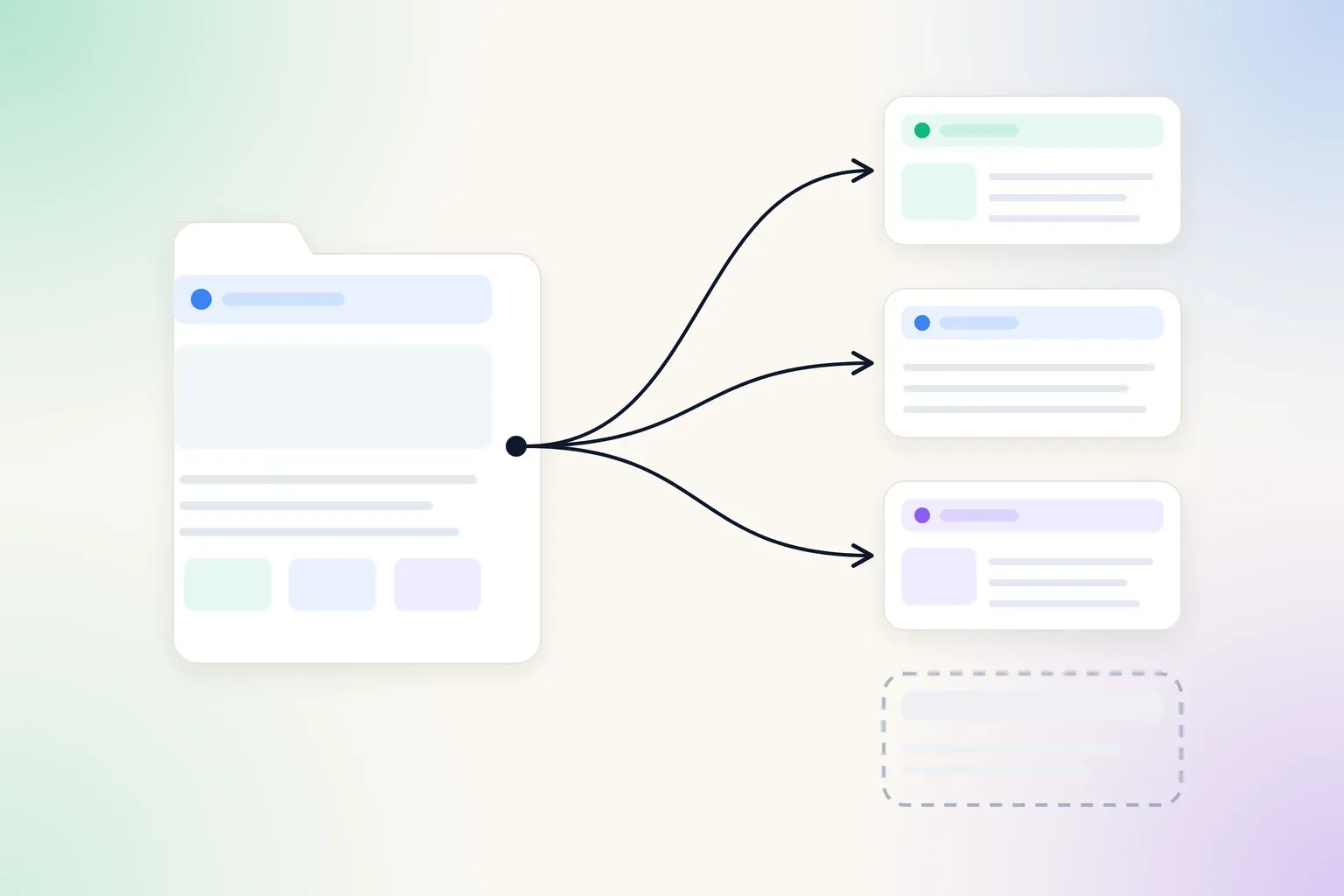
What a clinical team needs the public site to do
Condition pages, not one claims banner
Birth injury, delayed diagnosis and operative error are different files. We write a page only where your clinical solicitors will investigate. A banner that says medical claims does not help someone who already knows what went wrong.
Useful across a long decision
People weigh a possible clinical claim for weeks. The site stays useful on a return visit: the condition, the people, the funding and how to begin. A widget that hides the telephone is a poor fit here.
The investigation, not an injury layout
These files turn on records, independent experts and breach of duty, and that sequence belongs on the page in plain English. We will not paste an injury layout onto a clinical address, or add an award table nobody can source.
Why medical negligence pages fail even when they appear in Google
Many clinical pages are personal-injury templates with the word “hospital” added. They lack condition-level depth, hide the solicitors who would run the file, and talk about medicine the firm cannot stand behind. Rankings without expertise do not convert these matters.
Condition pages a clinician would not recognise
Birth injury, delayed cancer diagnosis, surgical error and GP negligence are different evidence stories. Generic “we do medical claims” copy is invisible next to a specialist page.
Invented or scraped clinical statistics
Unsourced NHS figures and “average compensation” tables undermine trust. If a statistic cannot be attributed to a public source the firm is willing to stand behind, it should not be on the page.
No process transparency
Clients want to know how a claim is investigated, not a slogan. Explaining independent medical evidence in plain English is both useful content and intake quality control.
Treating clinical negligence as a personal-injury synonym
The search behaviour, the expertise proof and the solicitor skillset differ. Copying injury pages onto clinical URLs helps neither department.
How a clinical negligence presence is put together
We agree the conditions the team will investigate, explain that investigation so a client can follow it over several visits, and keep the pages clearly apart from personal injury. A figure appears only when you can point to a source the partners will accept.
Name the conditions you will take
Birth injury, delayed diagnosis, surgery and GP care are included only when a solicitor in the team will take the enquiry. We do not publish a condition merely because people search for it. An unstaffed page is a promise the department did not make.
Write for a reader who comes back
The hub, the condition page and a short funding note are arranged so someone can leave and return weeks later without losing the thread. The telephone and a named solicitor stay easy to find. Notes on records and time limits point back to an instruction.
Explain the investigation itself
We describe how you obtain records, when independent experts are involved, and how you decide whether a claim can proceed. The language is plain, and it is not medical advice. People who have waited months look for this sequence before they write.
Keep clinical work off the injury pattern
Personal injury and clinical negligence can share an anxious reader and still share nothing else. Pages, proof of experience and the solicitor story stay separate, linked only where the firm genuinely offers both. No award table is added to make a condition page look finished.
How people research a possible clinical claim
Condition-plus-claim and “medical negligence solicitor” searches in a region convert. Symptom-only searches belong to the NHS. Your job is the legal pathway after someone already suspects a breach of duty.
A medical negligence solicitor in their region
These matters are often researched over weeks. The page must name the team and the claim types, not just the town.
Delayed diagnosis and specific clinical events
People search what happened. Dedicated condition pages, written at a high level and immediately framed as not medical advice, outperform a generic claims hub.
How a claim is investigated
Process content (records, expert evidence, timescales in general terms) is what serious enquirers read before they call.
Funding and “no win no fee”
Explain charging models plainly. Do not hide important words, and do not promise a result.
What is medical negligence SEO?
It is organic visibility for clinical negligence instructions: condition-level pages, named specialists, and process a litigation partner will sign. It is not a personal-injury template and it is not medical advice.
Affirmed Digital builds clinical pages around the work the team actually takes. Birth injury is not delayed cancer diagnosis. If you do not take a matter type, it does not get a page.
Stay on the legal side of the line. Clinical descriptions should be accurate at a high level and immediately framed as “this is not medical advice; speak to a doctor and, if appropriate, a solicitor”.
What this means for your firm
- Condition pages only for claims you retain.
- Named solicitors on the commercial pages.
- No unsourced compensation tables.
- Keep clinical negligence separate from personal injury.
How do you help people who research for months?
Clinical enquiries are rarely impulse clicks. The site has to remain useful across several visits: process, people, funding and a calm way to start a conversation.
We structure the hub and condition pages so someone can return, read more, and still find a human next step. Chat widgets that bury the phone number do not help here.
Supporting articles answer real questions (medical records, time limits in general terms, what “breach of duty” means in plain English), then send the reader back to an instruction page.
How do clinical firms prove expertise in search?
Name the people, describe the investigation process, and show memberships and experience at matter-type level. Do not invent case studies or scrape clinical statistics.
A partner-approved bio on the ranking page does more than a stock image of a stethoscope. If you work with specific experts or have a defined investigation process, say so in language a client can follow.
Affirmed Digital will not publish outcome rates we cannot evidence. Process and people are enough.
How does Affirmed Digital work with clinical negligence teams?
We map retainable condition types, rebuild thin claims pages, and write copy a clinical solicitor can stand behind. Personal injury remains a sibling department, not a duplicate.
Related services typically include content strategy, digital PR and technical SEO. A free audit is useful when the current clinical pages still read like injury marketing.
Why do medical negligence solicitors need separate condition pages?
Because the person searching already knows the event. They compare firms on birth injury, a late diagnosis, an operation or GP care, often across many weeks. One medical-negligence banner cannot show that your solicitors have stood in that kind of file. Condition pages exist for the work you investigate, and only for that work.
Affirmed Digital drafts each condition with the solicitor who would investigate it. The opening says who you act for, and states that the page is not a medical opinion. Clinical description stays carefully general: enough to show you understand the setting, and not so much that it could be mistaken for advice to change treatment. The rest is the legal path: what a possible claim involves, what you need from them, and how a conversation starts. The reader came with an event, and that event should have its own address.
The same pages have to survive a gap between visits. Someone may read at night, speak with family, and return a fortnight later. They should find the same solicitor, the same account of funding, and a route to a person that is not buried under a chat widget. Supporting notes can explain records or limitation in general terms, then send the reader back to the condition. They should not become a second version of the claim. Breadth you cannot staff is how the wrong enquiries arrive.
The event is the front door
A reader who suspects a delayed diagnosis should land on delayed diagnosis, beside a solicitor who does that work. They should not land on a general clinical slogan and be left to guess whether the firm is relevant to them.
What this means for your firm
- A condition is published only if you will investigate it.
- The page says plainly that it is not medical advice.
- Solicitor and funding stay easy to find on a later visit.
- Supporting notes lead back to an instruction.
How should a clinical firm explain its investigation without copying injury pages?
Explain the sequence your own team uses. Records, independent experts, and the questions of breach, causation and loss are what a careful reader is trying to understand. That sequence is not an accident-claim path with different nouns. If the page could be swapped with a road-traffic page, it is the wrong page.
Write the investigation as a client would meet it. How you request records. Who instructs the expert. What you ask that expert to consider. When you tell someone there is no claim to bring. Those are ordinary, high-stakes questions, and answering them in plain English filters the enquiries you receive. Keep every clinical statement general, and repeat that a doctor advises on health while a solicitor advises on a possible claim. Where you mention time, describe the shape of an investigation, never a promise about one reader's own facts.
Personal injury can sit in the same firm and still must not lend its pages across. The proof here is different: condition-level experience, a named clinical solicitor, memberships that mean something in this work, and an investigation an injury page does not have. Affirmed Digital will link the departments honestly where both are real. Award tables are the usual temptation. Unless every figure has a public source the partners will put their names to, and is kept current, it does not go on the site.
The process is the proof
In clinical work, a clear investigation does more than a slogan. Records, independent experts and a named solicitor are what a careful reader has been looking for. An award table with no source is what makes them close the page.
What this means for your firm
- Records, experts and breach follow the firm's own sequence.
- Medical advice and legal advice are separated on the same screen.
- Injury layouts and injury arguments are not reused.
- An award table without a source you will defend is refused.
What a clinical partner expects to recognise
Hold the live pages against this list. If they could be swapped with the injury site by changing a single noun, they are not ready for a clinical enquiry.
- Each condition the team investigates has its own page, and conditions you decline are simply absent.
- Early on, the page states that it is not medical advice, and that a doctor and a solicitor do different jobs.
- A named clinical solicitor appears where the enquiry starts, with the matter types they actually handle.
- The investigation is explained, covering records, independent experts, and breach, causation and loss in plain English.
- Someone reading over several weeks can find funding, the people and a way to start without beginning from nothing.
- There is no compensation table, and no clinical figure that lacks a source the partners will stand behind.
- The argument is not an injury template with hospitals written into the same sentences.
- Nothing promises a result, a timescale for one reader's own claim, or an outcome rate for the department.
Questions from medical negligence partners
Can we use NHS statistics on the website?
Only if they are attributed to a public source the firm is willing to stand behind, kept in date, and not presented as the reader’s personal position. Unsourced clinical figures do not belong on marketing pages.
Should medical negligence and personal injury share one page?
No if both are commercial offers. The expertise story, the research cycle and the client language differ. Separate pages, linked honestly.
How long does clinical negligence SEO take?
These terms are competitive and expertise-led. Technical and content foundations can move first; condition terms usually need a sustained programme.
Can we publish average compensation for a clinical claim?
Not as figures taken from memory or an old schedule you cannot cite. If the firm will rely on a named public source, keep it current, and make plain that the sum is not the reader's own claim, a careful note on how awards are assessed can sit on the site. Affirmed Digital will not draft unsourced sums or calculators. A client may mistake them for a quotation.
Our clinical pages were copied from the injury site. Where do we begin?
Separate the addresses and the argument. List the conditions a clinical solicitor will actually investigate, and retire pages that exist only because an injury layout had a spare heading. Then rewrite the investigation: records, independent experts, and breach, causation and loss, with the fee earner named. Funding stays visible. Nothing is offered as medical advice. The injury site can keep its own job, linked where both teams are real.
Ready to be found for clinical negligence work?
Ask Affirmed Digital to review the medical negligence pages that should be converting, without invented success rates or clinical advice dressed as marketing.
Conditions you would recognise
Birth injury, delayed diagnosis and surgery appear only where your team investigates them.
Space for a slow decision
A returning reader can still find a named solicitor and a clear way to start.
Investigation, explained
Records, independent experts and breach of duty are set out in plain English.
Separate from injury work
Clinical pages stand apart from personal injury, without an unsourced award table.