

Home / Sectors / Personal Injury
SEO for Personal Injury Solicitors: Built for Qualified Enquiries
Affirmed Digital delivers SEO for UK personal injury solicitors who need organic visibility against claims management companies, national advertisers and directories. We do it by building injury-type pages, local proof and careful claims rather than “no win no fee” spam.
Personal injury search is expensive in paid media and noisy in organic. The firms that still win instructions from search are specific about injury types, honest about process, and careful with advertising rules. Volume that never becomes a retainable claim is not a win.
Injury files your litigators can actually run
Affirmed Digital builds personal injury visibility around the claims your solicitors keep. Workplace accidents, road traffic, public liability and serious injury each receive a page only when a named litigator will take the file. It says what happened in the client's own words, what you need at the start, and how funding works, including any damages-based agreement, in language someone can read on a phone after an accident. We do not add injury types you pass on. Those pages create enquiries the team will decline.
Claims-management sites and national advertisers occupy a great deal of this space. The useful contrast is a fair one: a firm of solicitors, with people who conduct the litigation, is not the same as a company that gathers claims and passes them on. We will draw that line without invented percentages. The same restraint covers advertising. There is no guaranteed outcome, no award table and no quotation that sets out a medical history. Each real office should list injury work on its Google Business Profile, so a local search is not left only to whoever bought the advert.
Named people and real claim types
A partner should see the injuries you retain, the litigator's name, and a funding note that does not hide the important words. They should also see a listing for the real office. They should not see an award table, a promise of success, or a figure about claims companies that nobody can source.
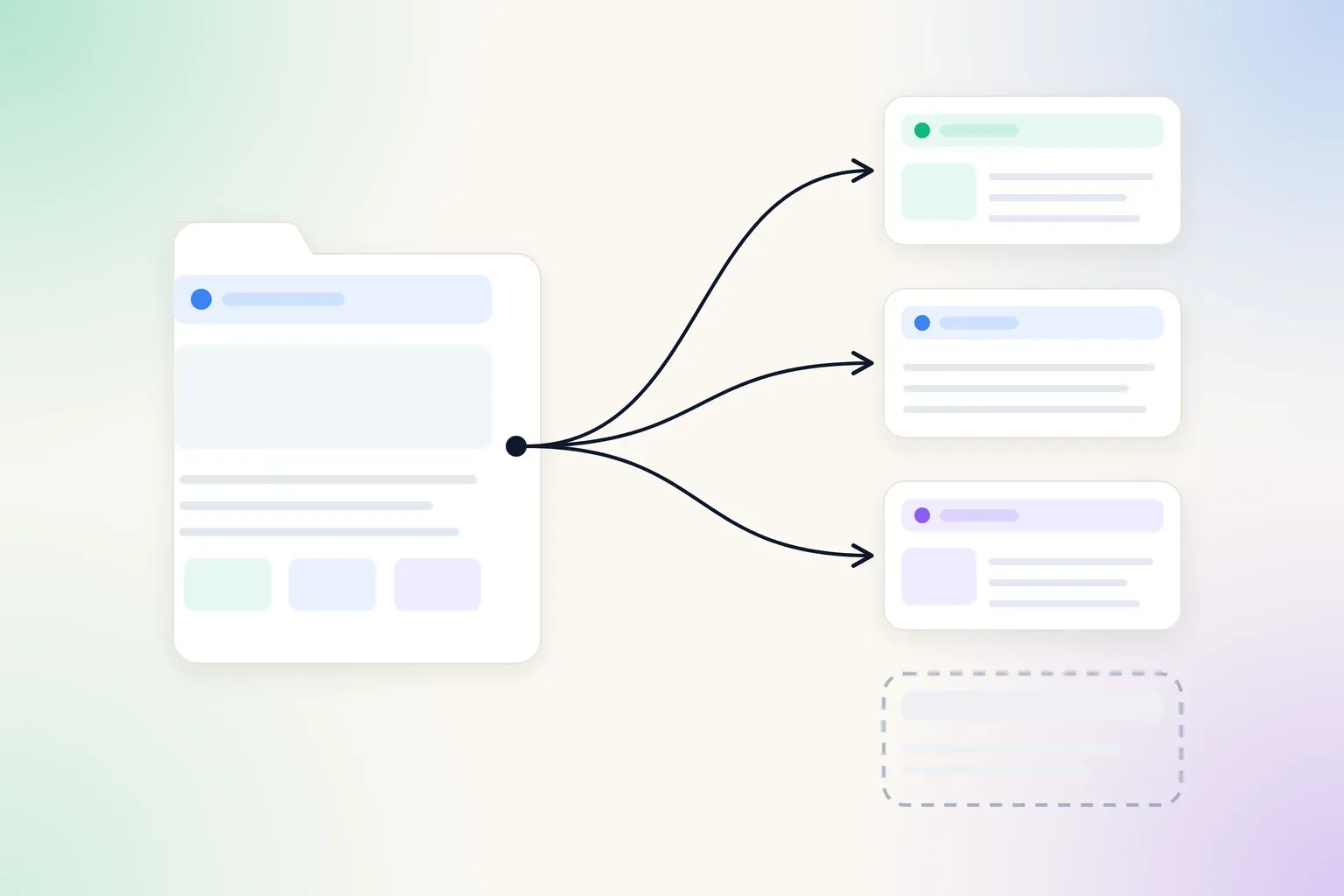
What turns an injury search into a file you want
A page for each injury you retain
Road traffic, workplace accidents, public liability and serious injury are different files. A single claims page cannot answer any of them as well as a specialist address. We build pages only for the injuries your litigators will actually run.
Advertising a litigator can sign
SRA advertising rules and client trust fail in the same place: guaranteed compensation, careless funding language, and quotations that describe injuries. We state the process, the funding model in plain English, and experience you can evidence.
Named people, locally and more widely
An unnamed claims team reads like a mill. The litigator who would run the file is named on the injury page. Map listings still matter, because many injured people look for a solicitor near them as well as further afield.
Why personal injury SEO is harder than most practice areas
Injury search is dominated by national advertisers, claims management companies and template mills. Local solicitors lose when every injury type sits on one page, when “no win no fee” is the only differentiator, and when the people who would run the file are invisible.
One “accident claims” page for every injury
Road traffic, workplace, public liability and serious injury are different problems for the claimant. A single claims page cannot compete with specialists on any of them.
Advertising language that invites trouble
Guaranteed compensation and careless success-fee phrasing is both an SRA risk and a trust risk. Injury copy has to be commercially sharp without becoming a claims-farm landing page.
No named litigators on the money pages
Unnamed teams look like mills. Solicitor bios and memberships belong on the injury pages, not only on About.
Ignoring the local pack because “PI is national”
Many claimants still search for an injury solicitor near them. A national intake model that neglects Google Business Profile cedes those clicks to whoever completed the listing.
How Affirmed Digital approaches injury search
We list the injury types the department will retain, put a named litigator on each of those pages, and write public claims you could show the SRA. Local listings are completed properly even where the firm also takes instructions from further away.
Mark the injuries you will keep
We sit with the litigators and mark road traffic, employers' liability, public liability, serious injury and any niche you genuinely run. Everything else stays off the commercial site. A thin page for a claim you refer out wastes the enquiry and the reader's time.
Treat each injury as its own instruction
The page opens with that incident, not with a general slogan about accidents. It explains what to send, how the firm investigates and who will be in touch. A niche such as cycling earns an address only when the caseload behind it is real.
Keep every public line inside the rules
Services, process and experience you can evidence stay on the page. Guaranteed compensation, a hint of judicial endorsement and quotations that disclose injuries do not. A damages-based agreement is explained in ordinary English where the reader will see it, not in a footer.
Name solicitors, including on the map
Each commercial injury page names the litigator and any membership a claimant would care about. The Google Business Profile for every real office lists personal injury, so local searches are covered alongside wider ones. A broader intake still needs a truthful local face.
How injured people look for a solicitor
Injury type plus solicitor plus location remains the converting pattern. We would rather build retainable claim-type pages than chase unprovable award tables.
A personal injury solicitor nearby
Maps plus organic. The site needs an injury-specific page, not a homepage that mentions “accidents” once.
Work accidents and employers’ liability
We write for the incident types you actually take, not every HSE category you might refer out.
Niche injuries you genuinely handle
Cycling, serious injury or a specialist caseload can win if the page is real. A “we also do…” paragraph will not.
Solicitor versus claims management company
A fair explainer of the difference can win trust. We will not write a hatchet piece stuffed with unproven statistics.
What is personal injury law firm SEO?
It is organic visibility for retainable injury instructions: the right injury types, in the places you can act, with copy a litigation solicitor will sign off. It is not a compensation calculator and it is not a replica of a claims-management landing page.
Claimants search what happened to them (workplace, road traffic, public liability) at least as often as they search a town. Local pack still matters for “near me”, but a town page with no claim-type pages leaves comparison sites and claims companies the research.
Authority then comes from injury-type depth, solicitor expertise, ethical digital PR, and pages that load on a phone after an accident. Related work often includes content strategy, link building and technical SEO, because injury competitors are well funded.
What this means for your firm
- Build pages around injury types you retain.
- No invented award tables.
- Name litigators on commercial pages.
- Treat the local pack as an injury channel, not an afterthought.
How do you stay inside SRA advertising rules?
State services, process and experience. Do not guarantee results, imply a court has endorsed the firm, or use testimonials that disclose medical facts without consent. If a claim cannot be evidenced, it does not go on the page.
Affirmed Digital writes as if the page will be read by a partner and a regulator, because both might. That is slower than slogan copy and more durable.
Where the firm uses damages-based agreements or similar, explain the charging model in plain English and link to a human conversation. Do not hide the important words in a footer.
Do personal injury firms still need digital PR if they run ads?
Yes if they want organic rankings that survive auction inflation. Independent mentions, serious injury commentary and relevant legal publications carry more weight than directory spam. We will not sell purchased links as a strategy.
Earned authority is slow and specific: commentary on road safety, workplace incidents or procedure, attributed to a named solicitor. That supports both rankings and referral reputation.
It is also how you differentiate from claims-management sites that cannot show a real litigation team. Ads cannot manufacture that.
How does Affirmed Digital work with personal injury teams?
We map retainable injury types, rebuild thin claims pages into specialist URLs, align local listings, and pursue ethical authority. Medical negligence is treated as a sibling, not a synonym.
Personal injury and clinical negligence share some intake psychology and none of the same evidence story. We keep them on separate pages.
Measurement is qualified injury enquiries and signed retainers the firm actually wants, not sessions to a compensation blog. A free audit is available when you want the current injury pages pressure-tested.
Which injury types should have their own solicitor page?
The ones a named litigator will retain. Road traffic, accidents at work, public liability and serious injury are the usual split, and only where your department runs them. A niche such as cycling earns a page when the files are real. A line that says you also do something else does not.
Injured people look up what happened to them. A fall at work, a junction collision and a serious spinal injury are not helped by the same opening paragraph. Affirmed Digital gives each retained type its own address, so the first screen answers whether you can act and what to send. The litigator's name sits there, not only on a biography the visitor will never open. Related incidents can link to one another without collapsing into one essay that tries to cover every accident and persuades nobody.
What you leave out matters as much as what you publish. If employers' liability is passed to another firm, it does not get a hopeful page. Those addresses attract the wrong people and make the practice look like a menu of accidents. Fewer pages, each one a partner recognises as Monday's caseload, are the stronger public face. Large national brands can afford to look exhaustive. A regional firm is more convincing when it is precise about the injuries it keeps.
A menu is not a department
A long list of accidents is not, by itself, a litigation team. The pages that should exist are the ones your solicitors would recognise on a Monday morning. Anything else is a mismatched enquiry waiting to arrive in the inbox.
What this means for your firm
- Each retained injury type has its own address.
- The litigator for that work is named on it.
- Claims you refer elsewhere are left unpublished.
- A niche page exists only when the files exist.
How can injury solicitors advertise without sounding like a claims company?
By sounding like solicitors. Say who acts, how a claim is investigated and how funding works. Draw a fair line between a firm that conducts litigation and a business that collects claims and passes them on. Do that without a statistic you cannot stand behind, and without a promise the SRA would question.
Affirmed Digital drafts injury pages as though a partner and a regulator might both read them. That means no guaranteed compensation, no hint that a court has endorsed the firm, and no client line that sets out medical detail. Damages-based or similar funding is explained where a claimant will see it, in ordinary English, with a route to a person who can talk about their own position. Slogans about being on someone's side, with no account of the work, resemble the sites you are trying not to echo.
A calm explanation of claims-management companies is worth having if the partners want it. Say that a solicitors' firm is regulated as such, that a named litigator conducts the claim, and that a management company may be doing a different job. Invented rates, unsourced claims about most people, and anecdotes about other businesses turn that explanation into a problem. Locally, complete the Google Business Profile for each office so a nearby search meets the same named firm, not only a national advert with nobody behind it in their town.
A fair contrast, without theatre
You can say that solicitors run these injury files, and that a company which only gathers claims is doing different work. You cannot claim you win more often, recover more, or beat the market, unless every word of that can be proved.
What this means for your firm
- Investigation and funding are written in plain English.
- The litigator who conducts the claim is named.
- Claims companies are contrasted without invented figures.
- Each real office remains visible in local map results.
What an injury partner should be able to point at
Use this before the next campaign meeting. If the site still reads like a claims-company landing page, visitors will not realise they are calling litigators.
- Road traffic, workplace, public liability and any serious injury work you retain each have a page, and claims you refer out do not.
- The litigator who would run that file is named, with a biography a claimant can read without leaving for another part of the site.
- Funding, including any damages-based agreement, is explained in plain English rather than tucked out of sight.
- There is no compensation table, no guaranteed result and no quotation that describes a person's injuries.
- The difference between a solicitors' firm and a claims-management company is drawn fairly, without a statistic nobody can source.
- Every real office has a Google Business Profile that lists injury work, rather than a brand with no local face.
- A niche or serious-injury page exists only where the department has the people and the files to take the instruction.
- Clinical negligence, where the firm also offers it, lives on separate pages and is not pasted onto the injury layout.
Questions from personal injury partners
Can we publish a compensation amounts table to rank?
We advise against invented or outdated award tables. If you discuss quantum, do it as an explanation of how awards are assessed and send the reader to a solicitor. Unsourced figures are a trust and SRA problem.
Should we target every injury type?
No. Target the claims you can resource and retain. Thin pages for injuries you refer out waste the site and create mismatched enquiries.
Is personal injury SEO only for national brands?
National brands dominate broad terms. Regional firms still win injury-type plus town searches when the page is specific and the local listing is complete.
How do we describe claims-management companies without picking a fight?
Describe the difference in roles. A solicitors' firm, with a named litigator who conducts the claim, is not the same kind of organisation as a business that collects enquiries and refers them on. Say that plainly, in terms your compliance colleagues accept, and invite the reader to speak to you. Leave out percentages and stories about other companies. We will not invent a figure to sharpen the contrast.
We take injury work beyond our town. Do local listings still matter?
Yes, wherever you have a genuine office. Many injured people add a town, or look for someone near them. A Google Business Profile that lists personal injury, shows the real office and matches the website gives that search an honest place to land. Profiles for addresses you do not occupy are not part of the work. Wider reach and a truthful local face belong together.
Ready to attract retainable injury instructions?
Affirmed Digital will review the injury pages that should be converting, without fake settlement figures or invented rankings.
Pages for retained injuries
Each injury you keep has its own explanation, written for the file the team will run.
Claims you can defend
Public wording covers process and funding, and it never promises a particular result.
Litigators, not a faceless team
The solicitor who would conduct the claim is visible where the enquiry begins.
A local face as well
Map listings show injury services at every office the firm actually occupies.